 ▶
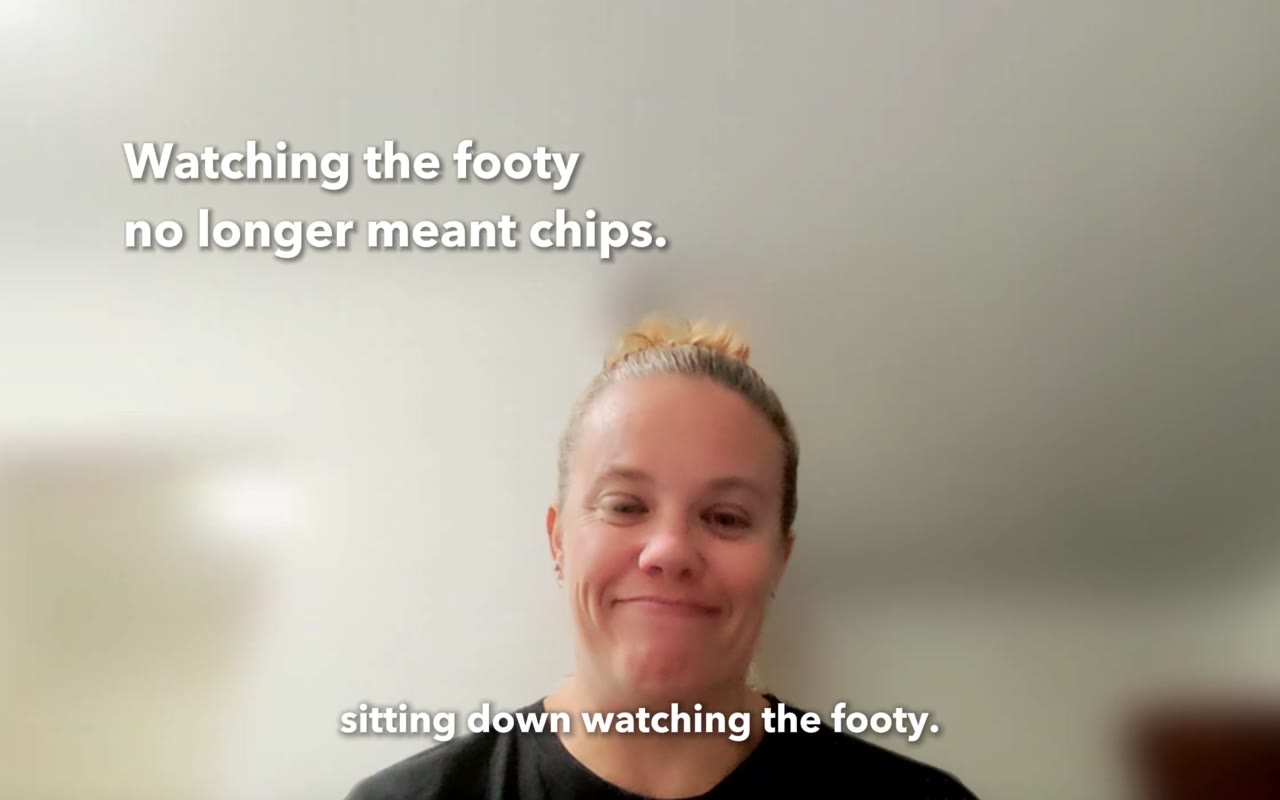
▶Watching the footy no longer means eating chips.
“Now I don't think about it anymore.”
Sometimes the biggest changes aren't dramatic.
They're simply quiet.
But each one reveals something familiar about food noise, habits, emotions and the everyday moments in between.
▶“Now I don't think about it anymore.”
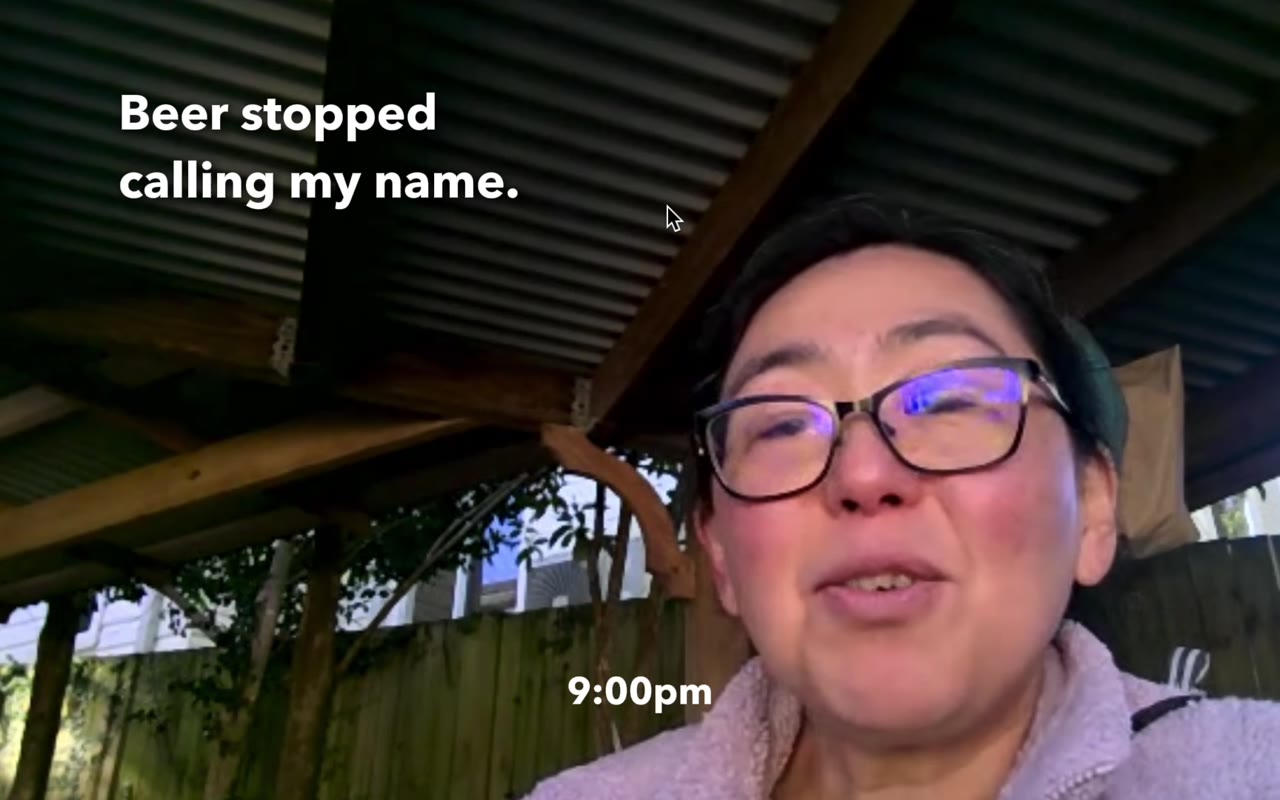 ▶
▶“I don't really want to drink anymore.”
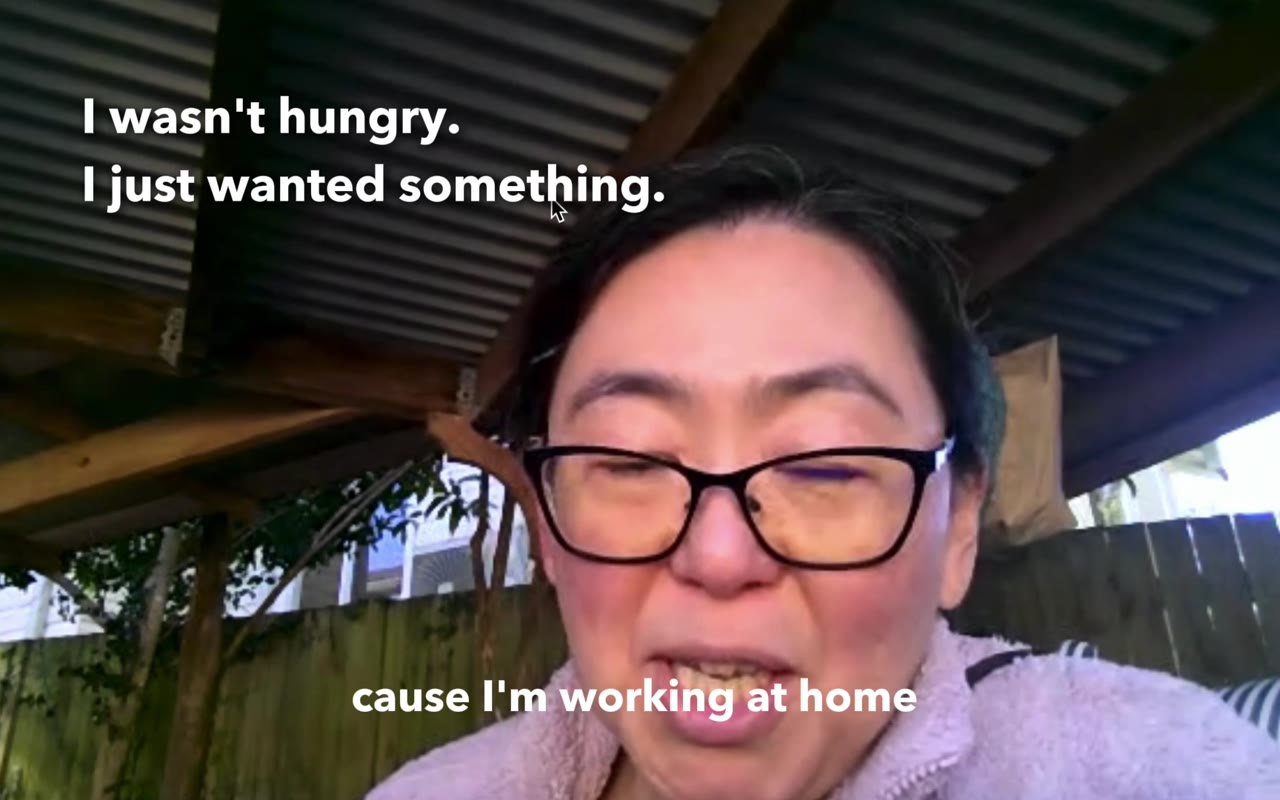 ▶
▶“It was a mental thing.”
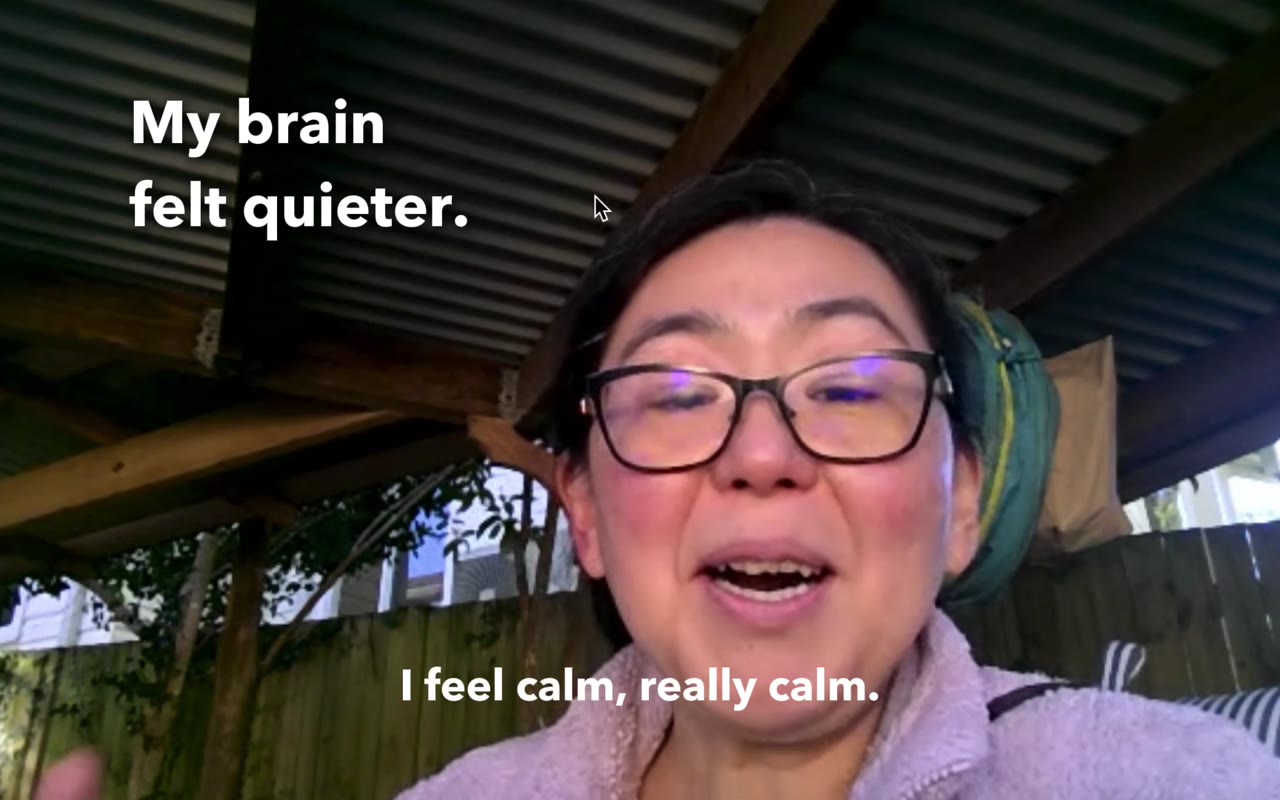 ▶
▶“One thing was taken away.”
 ▶
▶“For me, it wasn't the craving. It was how I felt after.”
 ▶
▶“I just need help right now, in this particular moment.”
 ▶
▶“It felt like my body had changed the rules.”
 ▶
▶“I began thinking ahead instead of waiting until I was starving.”
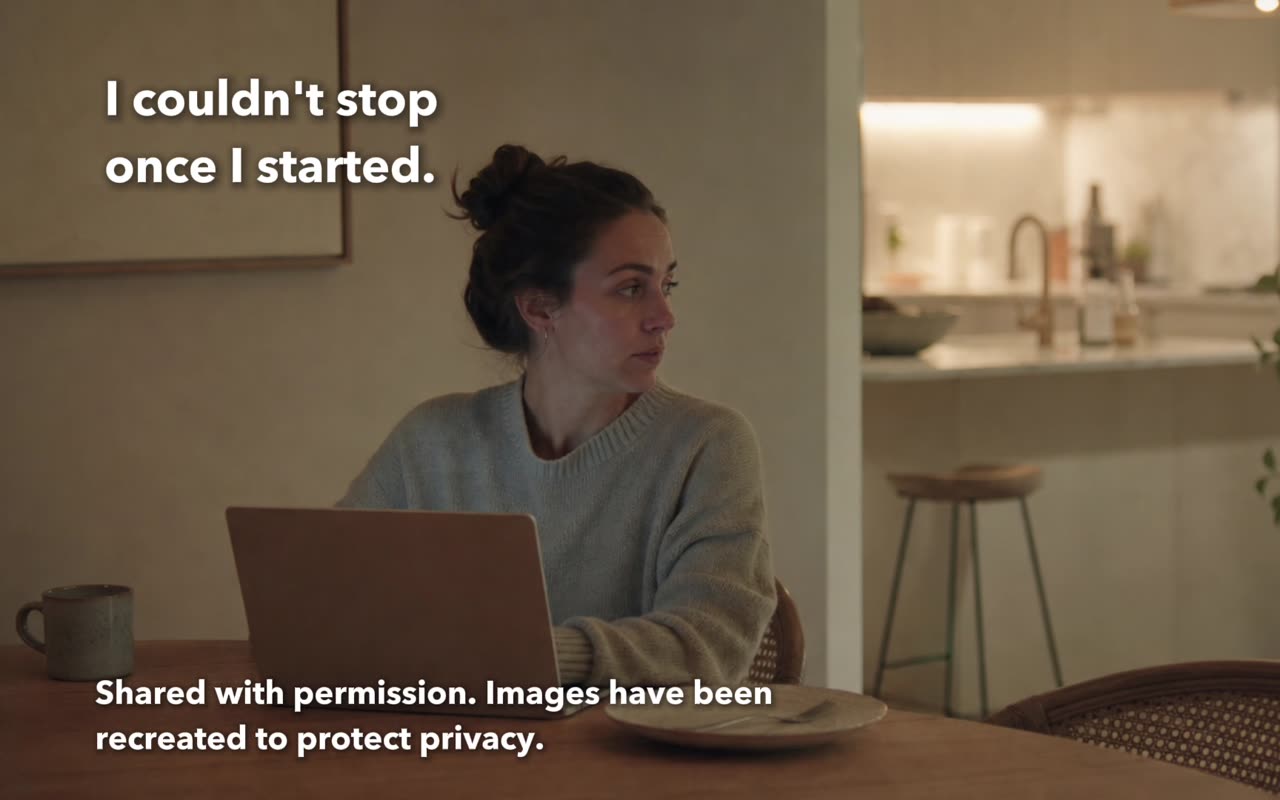 ▶
▶“One small handful never stayed one small handful.”
These stories are shared with participant permission and edited for length and clarity. Individual experiences vary and are not guarantees of results.
Start by identifying the time, place or routine that feels hardest.
Start your quiet journey